Frankie Müller · 18 November 2026
Virtual Reconstructions: How New Technologies Are Reshaping Heritage Conservation Narratives
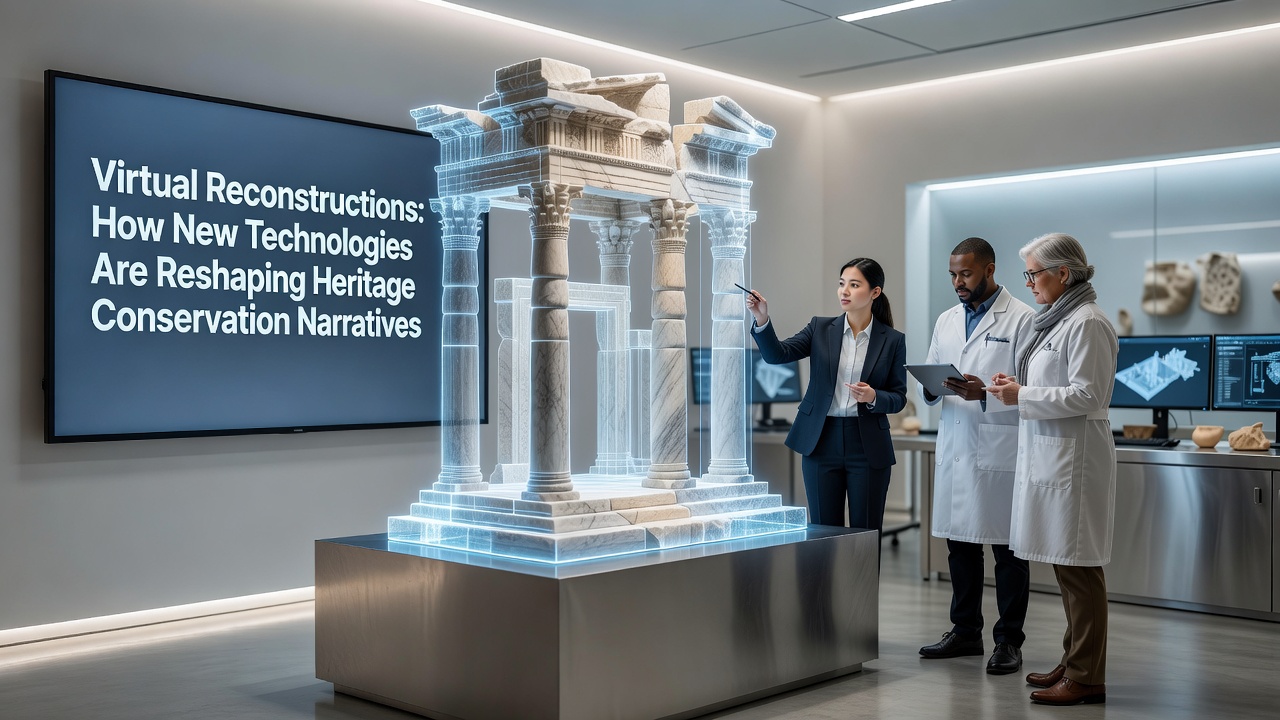
Virtual reconstructions have emerged as tools that merge 3D modeling with heritage sites and they allow researchers to document structures that face erosion or conflict damage. Teams at institutions across Europe and Asia have applied photogrammetry alongside LiDAR scanning to create accurate digital replicas of monuments and these models capture details down to individual stone textures. Data from such scans feeds into software that generates interactive environments and visitors can explore layers of history that physical access often restricts.
Core Technologies Driving the Shift
Photogrammetry converts overlapping photographs into point clouds while laser scanning adds precise depth measurements and together these methods produce meshes that software refines into navigable spaces. Artificial intelligence systems now detect patterns in faded frescoes and they suggest probable color reconstructions based on pigment analysis from comparable sites. In November 2026 a major digital heritage symposium will convene in Rome to review standards for sharing these models across platforms and participants plan to address interoperability between European and Asian databases.
Game engines such as Unity and Unreal power real-time rendering that supports augmented reality overlays on mobile devices. Users at actual locations can point phones at ruins and layered timelines appear showing earlier construction phases. Museums have integrated these tools into permanent exhibits and figures from the International Council on Monuments and Sites indicate that over 150 institutions adopted virtual components by mid-2025.
Case Applications Across Regions
One project in Pompeii combined drone imagery with ground-based scans to rebuild sections destroyed by past excavations and researchers published the resulting dataset for public use. Another effort at Angkor Wat in Cambodia employed satellite data to map temple foundations hidden under vegetation and the model helped guide targeted conservation work without broad disturbance. Australian teams applied similar methods to rock art sites in the Kimberley region and they created time-lapse sequences that illustrate weathering patterns over decades.
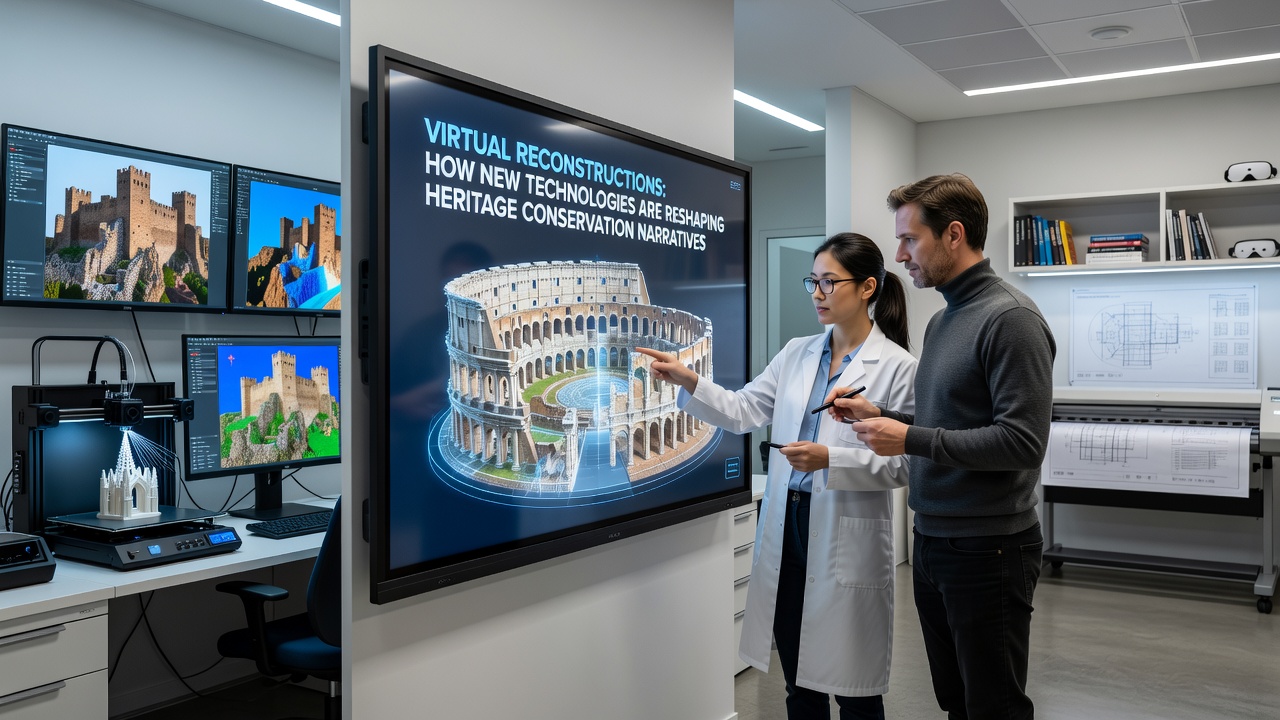
These examples illustrate how digital layers add context to physical remains. Observers note that narratives expand when models incorporate multiple historical periods rather than focusing on a single era and users encounter stories of everyday life alongside royal events. European Union funded initiatives have supported cross-border data sharing and a 2024 report from the Getty Conservation Institute highlighted reduced travel needs for comparative studies once models become accessible online.
Impact on Conservation Practices
Conservation teams use virtual models for planning interventions because simulations test structural stresses before physical work begins. Training programs now include virtual walkthroughs that prepare specialists for fragile environments and this approach limits on-site time. Funding bodies have adjusted grant criteria to require digital documentation as a standard deliverable and several national heritage agencies in North America and Oceania have adopted these requirements since 2023.
Public engagement metrics show increased interaction when sites offer virtual components and platforms report millions of unique sessions annually. Researchers at the University of Melbourne published findings that virtual access correlates with higher awareness of lesser-known sites and this broadens support for ongoing preservation funding. Yet data security remains a concern because high-resolution models require robust storage solutions and access controls.
Future Directions and Standards
Efforts toward open standards continue through collaborations between academic groups and industry partners. The November 2026 symposium will likely finalize guidelines for metadata that accompanies each reconstruction and these protocols aim to credit original survey teams while allowing derivative works. Integration with artificial intelligence for automated updates from new scans promises to keep models current without constant manual labor.
Challenges include balancing interpretive choices with archaeological evidence and projects address this through transparent documentation of modeling decisions. Partnerships between universities in different continents have produced comparative studies that reveal regional variations in reconstruction approaches and these exchanges enrich the overall field.
Conclusion
Virtual reconstructions continue to expand the scope of heritage conservation by supplying detailed records and interactive experiences that complement traditional methods. As technologies advance and standards solidify in coming years these tools will likely support wider participation in preserving cultural narratives across diverse regions.