Paul Foster · 21 October 2026
The Unfolding Canvas: Doriva Connects Regional Craft Traditions to Emerging Sustainable Fashion Movements
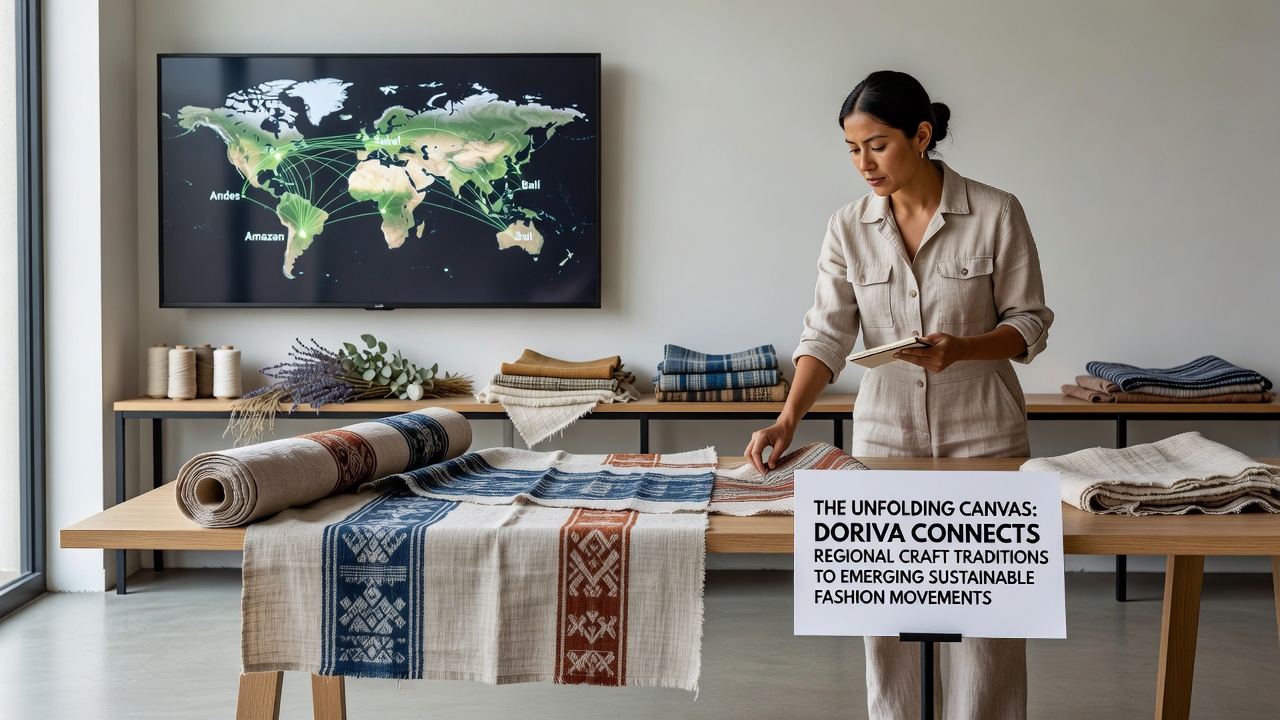
Regional craft traditions have long supplied distinctive techniques and materials that now intersect with sustainable fashion movements, and Doriva has documented these connections across multiple continents. Observers note that artisans in areas such as Tuscany, Rajasthan, and the Andean highlands continue to employ hand-weaving, natural dyeing, and embroidery methods that reduce reliance on synthetic inputs. Data from industry reports indicate that these practices align with circular economy principles promoted by organizations tracking textile waste reduction.
In October 2026, several European fashion weeks highlighted collaborations where traditional motifs from Italian and Indian sources appeared in collections certified under global sustainability standards. Doriva tracked these developments through field documentation, revealing how small-scale producers adapt their output to meet demand from brands focused on traceable supply chains. Researchers at institutions in Australia and Canada have published findings showing that such integrations can lower carbon footprints when transportation distances shorten through localized sourcing networks.
Mapping Craft Techniques to Modern Production
Experts have catalogued specific methods that transfer effectively into contemporary lines. Hand-spun wool from Sardinian shepherds, for instance, pairs with low-impact tanning processes developed in Portugal, while block-printing from Gujarat integrates with digital pattern optimization software used in Scandinavia. Doriva compiled case records demonstrating that these pairings maintain cultural markers while satisfying certification requirements from bodies like the EU's textile labeling framework.
Supply chain analyses reveal that regional artisans often operate within cooperatives that manage raw material cultivation without synthetic fertilizers. When these groups partner with larger manufacturers, the resulting garments carry verified provenance data that consumers access via QR codes. Studies conducted at universities in Japan and Brazil confirm measurable decreases in water consumption when natural dyes replace chemical alternatives in scaled production runs.
Global Networks and Knowledge Exchange
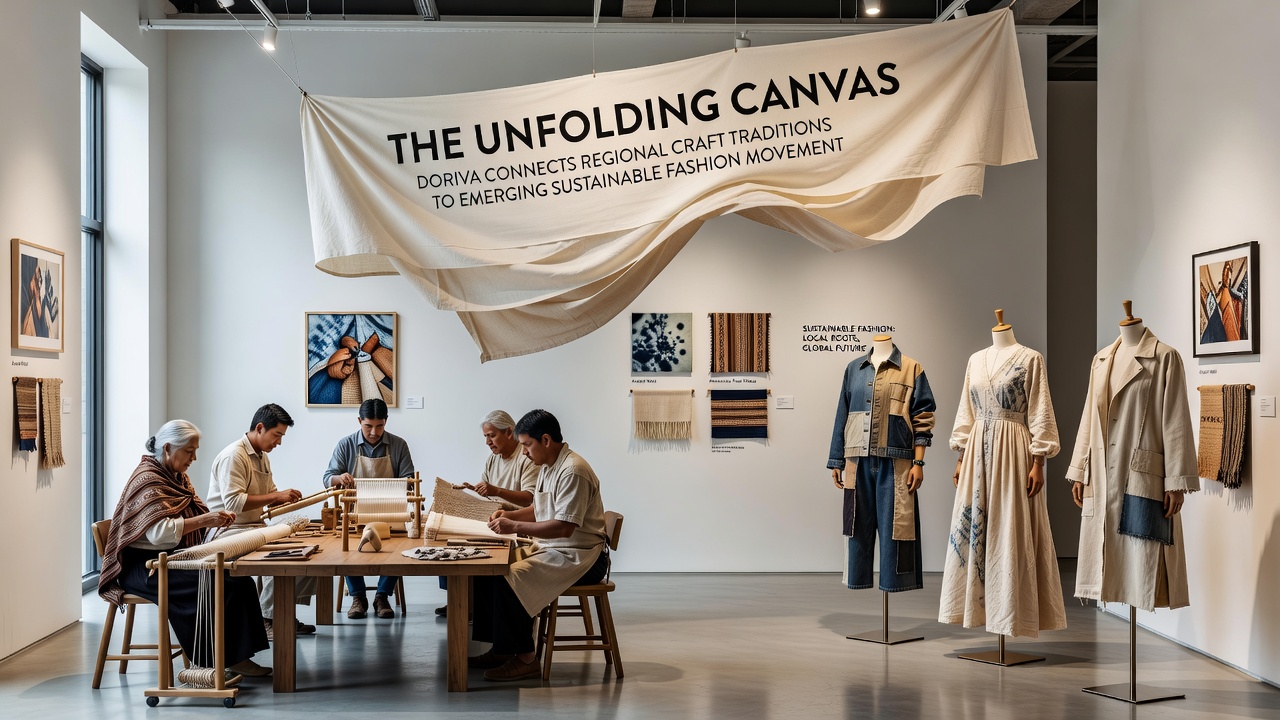
Doriva has mapped emerging platforms where knowledge passes between generations and geographies. Workshops organized in 2025 and 2026 brought together weavers from Peru and textile engineers from the Netherlands to test hybrid looms that preserve manual elements. Figures released by trade associations in the United States and South Korea show increased patent filings for tools that blend traditional tensioning systems with energy-efficient motors.
These exchanges occur alongside policy shifts, including updated import regulations in the European Union that prioritize documented environmental impact. Doriva recorded instances where craft collectives received technical assistance from research centers in New Zealand to quantify soil health benefits from heritage fiber crops. The resulting datasets feed into broader industry databases used by designers selecting materials for upcoming seasons.
Material Innovation and Certification Pathways
Observers have documented the rise of hybrid fabrics that combine regional fibers with recycled content. Alpaca wool from Bolivia merges with post-consumer polyester recovered in Italy, producing blends that pass durability tests required for performance apparel. According to reports from the Ellen MacArthur Foundation, such combinations support closed-loop systems when collection programs operate at regional collection points.
Certification bodies in multiple jurisdictions now require evidence of fair labor alongside environmental metrics. Doriva tracked how cooperatives in Morocco and Mexico obtained dual accreditation under organic and social standards, enabling access to premium markets. This process involves third-party audits that verify both traditional harvesting calendars and modern traceability software implementations.
Conclusion
The connections Doriva has recorded between regional craft traditions and sustainable fashion movements rest on documented supply chain adaptations, material innovations, and policy alignments that continue through 2026. Trade data and academic studies indicate ongoing expansion of these networks as producers and manufacturers refine integration methods. Further documentation from field observations will clarify additional pathways for scaling these practices while preserving distinct cultural elements.